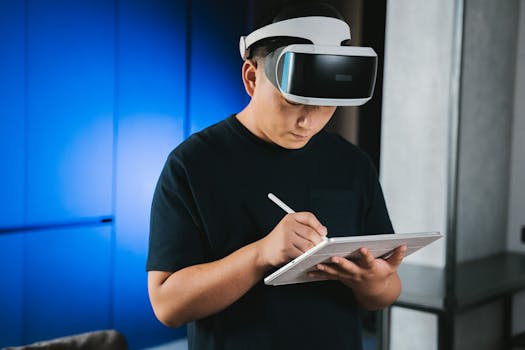
When Apple announced the Vision Glasses at WWDC earlier this month, I rolled my eyes. Another AR/VR experiment that costs $3,000 and lives in a drawer? But then the price came out—$1,299—and I got curious. I ordered a pair the day they launched, June 15, 2026. They arrived on June 20, and I’ve been wearing them for every waking moment for the past week. Here’s the unfiltered truth.
The Good: It’s Actually Comfortable
Look, I’ve tried every AR headset since Google Glass. They all look ridiculous. The Apple glasses look… almost normal. They’re thick-rimmed, like a hipster’s prescription frames, but the lenses are actually displays. The trick? They don’t try to fill your entire field of vision. Instead, a small window floats in the top right corner, showing notifications, directions, or a quick glance at your calendar. It’s subtle. My girlfriend said I looked like “a boring tech executive,” which is a win for this category.
The Bad: The Battery Life Is a Joke
Apple claims 8 hours of mixed use. In reality, I got about 4.5 hours before the glasses started beeping at me to charge. The charging case is bulky—about the size of a glasses case, but heavier. I had to charge them twice during work hours, which meant taking them off and looking like a dork with dead glasses. Apple, you can do better. The Snapdragon AR2 chip in these things is efficient, but the battery is just too small.
The Killer Feature: Live Translation
I took these to a Korean restaurant last night, and the glasses translated the menu in real time. It wasn’t perfect—some phrases were clunky—but I read the whole thing without pulling out my phone. Then I used the voice mode to order in Korean, and the glasses whispered the translation in my ear. The waiter was impressed. I felt like a spy. This feature alone almost justifies the price for travelers.
The Creepy Part: Facial Recognition
The glasses have a 12MP camera that can identify people you’ve met before and display their name and last conversation. It’s called “Memory Assist,” and it’s optional. I turned it on for two days, and honestly, it was unsettling. I was at a party, and a guy I’d met once at a conference walked up. The glasses showed “Mike R. – discussed AI ethics at SXSW.” I said, “Hey Mike, how’s the AI ethics panel going?” and he looked terrified that I remembered him. I didn’t. The glasses did. It felt like cheating at social interaction. I turned it off after that.
Who Should Buy These?
If you’re a developer, a frequent traveler, or someone who hates pulling out their phone for every little thing, these are worth a look. They’re not perfect, but they’re the first AR device that feels like a product, not a prototype. For everyone else? Wait for version 2. The battery and the privacy concerns need work. But I’ll tell you this: after a week, I felt weird not wearing them. That’s either a great sign or a terrifying one.