On May 15, 2026, the World Health Organization released their updated physical activity guidelines. The headline change: they now recommend 300 minutes of moderate-intensity aerobic activity per week, up from the previous 150 minutes. That's an hour a day, five days a week. I read the announcement and thought, 'Who has time for that?' Then I realized I was exactly the person they were targeting: a desk worker who sits for 10 hours a day and exercises irregularly. So I decided to try it. For 30 days, I followed the new guidelines to the letter. Here's what happened.
What the New Guidelines Actually Say
Before I get into my experience, let me clarify what the WHO actually recommends. The 300 minutes of moderate activity can include brisk walking, cycling, gardening, or any activity that raises your heart rate and makes you breathe faster. They also recommend muscle-strengthening activities at least two days a week. For older adults, balance training is added. They're not saying you have to run marathons. They're saying you need to move more, consistently.
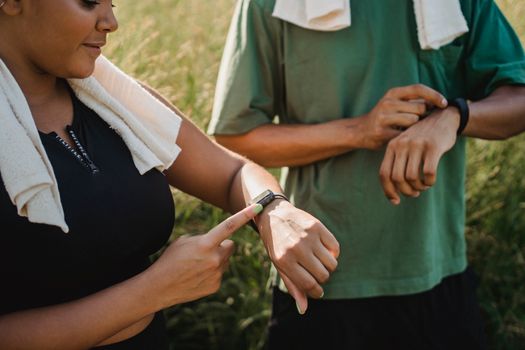
I decided to focus on walking. It's free, low-impact, and easy to fit into a schedule. I used a Fitbit Charge 6 to track my steps, heart rate, and active minutes. My goal: 300 minutes of brisk walking per week, plus two strength sessions using bodyweight exercises at home.
Week 1: The Shock of Reality
The first week was brutal. I work from home, and my typical day involves walking from my bed to my desk and back. That's it. On day one, I put on my sneakers and went for a 30-minute brisk walk around my neighborhood. By minute 20, my calves were burning and I was breathing heavily. I realized how out of shape I was. I also realized how much time 30 minutes actually is. I had to wake up earlier, skip my lunch break scrolling, and sacrifice some evening TV time.
By day three, I was sore. Not injured, just sore. My hips ached, my lower back felt tight, and my feet were tender. I bought a pair of better walking shoes (Hoka Clifton 9s, which I highly recommend) and started doing dynamic stretches before each walk. That helped.
The hardest part was the mental struggle. I kept asking myself, 'Is this really worth it? I'm just walking.' But I committed to the month, so I pushed through. By day seven, I had logged 310 minutes of brisk walking and two strength sessions. I felt accomplished but exhausted.
Week 2: Finding the Rhythm
Week two was easier. My body started adapting. The walks felt less like a chore and more like a break. I began listening to audiobooks and podcasts during my walks — I finished 'Project Hail Mary' by Andy Weir in five days. The time passed faster, and I actually looked forward to my walks.
I also discovered the joy of walking in nature. There's a park near my house with a 2-mile loop through the woods. I started going there instead of walking on sidewalks. The fresh air, the birds, the dappled sunlight — it was meditative. My Fitbit showed that my heart rate was lower during these walks even though I was walking at the same pace. The stress reduction was real.
By the end of week two, I had logged 320 minutes. I was averaging 45 minutes per walk, which meant I only needed four walks per week instead of five. That felt more manageable. I also noticed I was sleeping better. I used to toss and turn for 30 minutes before falling asleep. Now I was out within 10 minutes.