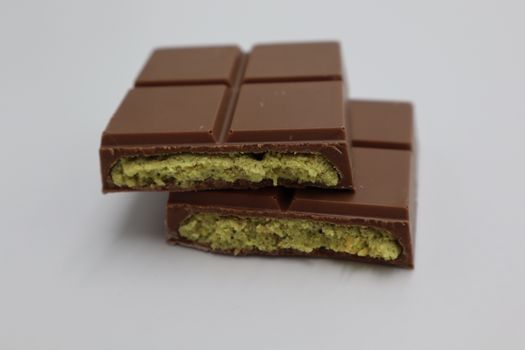
If you've been on TikTok or Instagram in the past month, you've seen it: the Dubai chocolate bar. It's a rectangular block of milk chocolate, usually filled with a green pistachio paste and topped with crunchy kataifi (shredded phyllo dough). It looks decadent, it sounds exotic, and it's selling for absurd prices — I've seen them go for $30 to $50 per bar from boutique chocolatiers. I'm a food lover, but I'm also a skeptic. I've been burned by viral food trends before (remember the cronut? The rainbow bagel? The cloud bread?). So I decided to buy one and see if it's worth the hype.
I ordered from a local chocolatier in New York that specializes in Middle Eastern-inspired sweets. The bar arrived in a sleek box, wrapped in gold foil. First impression: it's beautiful. The chocolate is glossy, the filling is a vibrant green, and the kataifi gives it a textured look. I took a bite. And honestly? It's really, really good. But let me break down why, because it's not just about the taste — it's about the experience.
The Ingredients: Quality Matters
The best Dubai chocolate bars use high-quality chocolate — usually Belgian or Swiss — with a high cocoa content. Mine had 55% cocoa, which is sweet but not cloying. The pistachio paste is the star: it's rich, nutty, and slightly salty, which balances the sweetness of the chocolate. The kataifi adds a satisfying crunch that's almost like a brittle. The combination is genuinely innovative. It's not just chocolate with nuts — it's a textural and flavor journey. The pistachio gives it a Middle Eastern authenticity, while the chocolate makes it familiar. It's a collision of worlds that works.
The Price: Is It Worth It?
Here's the rub: a good Dubai chocolate bar costs between $25 and $50 for about 100 grams. That's more than premium chocolate brands like Valrhona or Amedei. Is it worth that much? For a special occasion, maybe. The ingredients are expensive — pistachio paste isn't cheap, and high-quality chocolate costs money. But the markup is also driven by hype. You're paying for the trend, not just the product. I think it's a lovely treat, but I wouldn't buy one every week. If you're curious, share one with friends — it's rich enough that a small piece is satisfying.
The Cultural Context: More Than a Gimmick
What surprised me is that the Dubai chocolate bar isn't entirely new. It's inspired by traditional Middle Eastern sweets like knafeh, which uses kataifi, cheese, and syrup. The chocolate bar is a modern fusion, and it's been popular in Dubai for years before going viral. The TikTok trend has brought it to global attention, but it's not a flash in the pan — it's rooted in real culinary traditions. That makes it more interesting to me than a typical viral food. It's not just a gimmick; it's a genuine innovation in confectionery.
The Verdict: Buy One, But Manage Expectations
I'm glad I tried it. The Dubai chocolate bar is delicious, beautifully crafted, and fun to share. But it's not life-changing. It's chocolate with a twist — a very good twist, but still chocolate. If you have $30 to spare and you're curious, go for it. But don't expect it to transform your relationship with sweets. And if you can't find one locally, you can make a decent version at home with good chocolate, pistachio butter, and crushed phyllo dough. I might try that next time. Trend or not, it's a tasty idea that deserves to stick around.