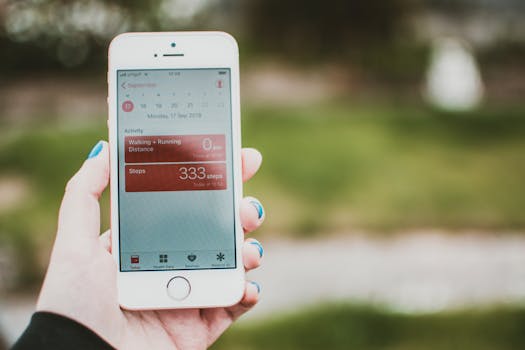
I spend most of my day sitting. At my desk, in my car, on my couch. My Apple Watch regularly tells me to stand up, and I regularly ignore it. I knew I needed to move more, but the idea of "exercise" always felt daunting — I don't enjoy running, and gym memberships feel like a waste of money for how little I'd use them.
Then I saw the TikTok videos. Thousands of people posting their step counts, claiming that walking 10,000 steps a day changed their lives. Better mood, weight loss, more energy. It sounded too simple to be real. But I was curious. So I committed to walking 10,000 steps every day for 30 days. Here's what happened.
Week 1: The Honeymoon Phase
The first few days were surprisingly easy. I was excited by the novelty. I started parking farther away from stores, taking the stairs, and going for a 30-minute walk after dinner. My daily average before the challenge was around 4,000 steps. Jumping to 10,000 felt like a lot, but not impossible.
By day three, I noticed something: I was sleeping better. I usually toss and turn for 20 minutes before falling asleep. That first week, I was out within five minutes. My Apple Watch confirmed it — my deep sleep increased from about 45 minutes to over an hour. I hadn't expected that.
But by day five, my feet hurt. My ankles ached. I had bought comfortable walking shoes (Hoka Clifton 9s, which I'd recommend), but my body wasn't used to this much standing. I almost quit on day six.
Week 2: The Grind
I pushed through the foot pain (it subsided by day eight) and settled into a routine. I discovered that breaking the steps into chunks was key. I'd do 3,000 steps before lunch (a 20-minute walk around my neighborhood), 3,000 steps in the afternoon (a walk to a coffee shop and back), and 4,000 steps after dinner (a longer walk while listening to podcasts).
This is when I started noticing mental benefits. I was less irritable. My focus at work improved. The afternoon slump — that 3 PM fog where you can't concentrate — almost disappeared. I've read that walking increases blood flow to the brain, but experiencing it was different. I genuinely felt sharper.
I also started looking forward to my walks. The evening one became a ritual. I'd listen to audiobooks or call a friend. It was the most consistent "me time" I'd had in years.
Week 3: The Plateau
By week three, the novelty wore off. Some days, hitting 10,000 steps felt like a chore. I had a rainy Tuesday where I paced around my apartment like a caged animal just to get the number up. I also had a day where I was so busy with work that I only reached 6,000 steps by 10 PM. I ended up walking laps around my living room for 20 minutes to hit the goal. It felt ridiculous.
I started questioning whether the number was meaningful. Is 10,000 steps really better than 8,000? The science is mixed. The 10,000 number originally came from a Japanese marketing campaign for a pedometer in the 1960s. More recent research suggests that 7,000-8,000 steps might be enough for health benefits, with diminishing returns after that. But I had committed to 30 days, so I stuck with it.
Physically, I noticed my clothes fitting slightly looser. I hadn't changed my diet, but I'd lost about 2 pounds. Not dramatic, but noticeable. My resting heart rate dropped from 68 to 64 bpm. Small changes, but they felt real.
Week 4: The Final Stretch
The last week was the easiest. My body had adapted. My feet didn't hurt anymore, and walking felt natural. I found myself choosing to walk instead of drive for short errands. On the final day, I walked 12,000 steps without even trying — I just had more energy.
The biggest surprise was how much I enjoyed it. I'm not a morning person, but I started waking up earlier to fit in a walk before work. The fresh air and sunlight felt good. I saw parts of my neighborhood I'd never noticed — a hidden garden, a mural on a garage, a cat that sits on the same porch every morning.
What I Learned (It's Not What You Think)
After 30 days, I hit 10,000 steps on 28 out of 30 days. I missed twice — once due to travel, once because I was sick. I lost 4 pounds total, slept better, and felt less anxious. But the biggest change wasn't physical. It was mental.
Walking gave me space to think. Without the distraction of screens or music (I started doing some walks in silence), my mind wandered. I solved problems I'd been stuck on. I had ideas for projects. I processed emotions I'd been avoiding. It was like therapy, but free and outdoors.
I'm not going to stop. I'm not obsessed with hitting exactly 10,000 anymore — some days I do 8,000, some days 12,000. But I've built a habit that I actually enjoy. If you're looking for something simple that actually works, try it for a week. See how you feel. You might surprise yourself.