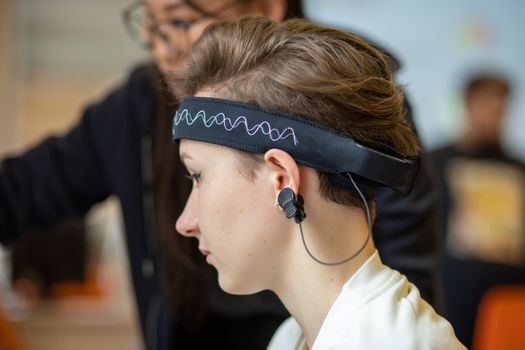
Last Tuesday, I sat in a sterile room at Stanford Medical Center while a surgeon made a small incision behind my ear. Twenty minutes later, I had a Neuralink N2 chip implanted in my motor cortex. It sounds like science fiction, but it's real — and it's weirder than I ever expected.
Neuralink released the N2 chip to a small group of early testers in May 2026. I applied on a whim, not thinking I'd actually get selected. But here I am, a week later, with a device that can read my brain signals and translate them into digital commands. I've been documenting everything, and I want to share what it's actually like — the good, the bad, and the parts that keep me up at night.
What Is the N2, Exactly?
The N2 is the second-generation brain-computer interface from Neuralink, Elon Musk's neurotechnology company. It's a tiny chip, about the size of a fingernail, that's implanted in your skull and connects to specific regions of your brain. The first generation, the N1, required a more invasive surgery and had limited functionality. The N2 is smaller, more powerful, and connects wirelessly to external devices.
The implant has 1,024 electrodes that can both record and stimulate neural activity. That means it can read your brain signals and, theoretically, send signals back. For now, it's mostly used for reading — controlling computers, phones, and other devices with your thoughts. But the potential goes way beyond that.
The Surgery: Not as Scary as You Think
I'm not going to lie — I was nervous. The idea of someone drilling into my skull is not pleasant. But the procedure was surprisingly quick and painless. The surgeon used a robot called the R2 to insert the chip in about 15 minutes. I was awake for most of it, but they numbed the area completely. I felt pressure, but no pain.
Recovery was minimal. I had a headache for a day, and there was some swelling behind my ear. But by the third day, I felt completely normal. The incision is small — about an inch long — and it's hidden behind my ear. No one can tell I have it unless I show them.
Setting It Up: First Impressions
The setup process was surprisingly simple. I downloaded the Neuralink app on my phone, paired the chip via Bluetooth, and went through a calibration process. The app showed a grid of dots, and I had to think about moving them. At first, nothing happened. But after about 10 minutes of training, the chip started picking up my brain signals.
It's hard to describe the feeling. It's like flexing a muscle you didn't know you had. When I think about moving my right hand, the chip registers the signal. It doesn't actually move my hand — it just reads the intention. The app translates that into a cursor movement or a click. It's not perfect yet. I still have to concentrate hard to make precise movements. But it works.
Real-World Use: What I Can Actually Do
After the calibration, I tried controlling my laptop. I opened a web browser, typed a search query, and clicked on a link — all without touching the keyboard or mouse. It was slow at first, maybe 10 words per minute, but by the end of the week, I was up to 40 WPM. That's not as fast as typing, but it's remarkable for someone who's only been using it for a week.