💪 Health

I Tried the New Diabetes Drug for Weight Loss — Here's What Happened

I Tried the New Diabetes Drug for Weight Loss — Here's What Happened

I'm going to tell you something that might make you uncomfortable: I lost 28 pounds in three months using a diabetes drug. And I'm not diabetic.

That sentence carries a lot of weight — pun intended. There's a moral panic happening around these drugs. People call it cheating. They say it's lazy. They worry about long-term effects. And maybe they're right. But I also think they're wrong in ways that matter.

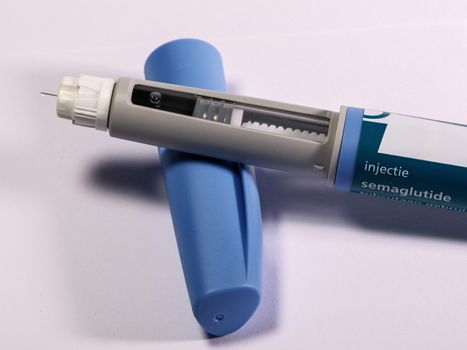
Let me back up. I'm a 34-year-old woman who has struggled with weight my entire adult life. I've done Weight Watchers, keto, intermittent fasting, Whole30, you name it. I've lost and regained the same 40 pounds so many times I could write a guidebook. So when my doctor suggested trying semaglutide (the active ingredient in Ozempic and Wegovy), I was hesitant. But I was also tired.

How I Got Prescribed It

Let's be clear: these are prescription drugs. You can't just order them online and hope for the best. I had a full medical workup — blood tests, BMI measurement, family history review. My BMI was 31, which is considered obese. I also have prediabetes and high blood pressure. I was a candidate.

My doctor started me on the lowest dose of Wegovy — 0.25 mg once a week — and warned me about side effects. She said to expect nausea, fatigue, and possibly vomiting. She said it would be worse in the first month. She was right.

The First Month: Brutal But Effective

The first week was the hardest. I took my first injection on a Sunday morning. By Monday afternoon, I felt like I had a mild flu. Nauseous, tired, foggy-headed. I couldn't eat more than a few bites without feeling full. I lost 6 pounds in the first week.

The nausea peaked around day 3 and slowly faded. By day 5, I felt mostly normal. Then I took the second injection, and the cycle repeated — though less intense each time. By the end of the first month, I had lost 11 pounds.

But here's what surprised me: the mental effects were as dramatic as the physical ones.

The Quieting of Food Noise

There's a term in the weight loss community: "food noise." It's the constant, low-level chatter in your brain about food. What am I going to eat next? Should I have that snack? I shouldn't have eaten that. Maybe just one more bite.

On semaglutide, that noise stopped. Completely. I would go hours without thinking about food. I'd realize at 2 PM that I hadn't eaten lunch and didn't care. It felt like someone had turned down the volume on a radio I didn't even know was playing.

That's the part people don't understand. It's not just about feeling full. It's about not being ruled by food. For someone like me who has spent 20 years thinking about weight and calories and meals, that silence was the most freeing thing I've ever experienced.

The Side Effects Nobody Talks About

But it's not all rainbows. The side effects are real, and they're not just physical.

Constipation is common. I dealt with it by increasing fiber and water intake, but it wasn't fun. Fatigue hit me hard in the afternoons. And there was a weird psychological effect: I lost interest in things I used to enjoy. Social meals with friends felt like a chore. I stopped cooking — a hobby I loved — because food just didn't excite me anymore.

There's also the stigma. When friends asked how I was losing weight, I either lied or braced for judgment. "Oh, you're taking the easy way out." "You know that's not healthy, right?" "Have you tried just eating less?" People feel entitled to comment on your body and your choices.

I stopped telling people after a while. It wasn't worth the conversation.

The Weight Loss: Real But Fragile

After three months, I had lost 28 pounds. My blood pressure dropped into the normal range. My A1C — a measure of blood sugar — went from 5.9 to 5.3. My doctor was thrilled. I looked better, felt better, moved better.

But here's the thing I don't hear enough people say: this is not a cure. It's a tool. The weight comes back if you stop the drug. Studies show that most people regain the weight within a year of stopping. So you're not "fixed" — you're on maintenance.

I'm still on the drug. I'm now at a maintenance dose, and my weight has stabilized. I've learned to eat smaller portions, prioritize protein, and listen to my body when it says it's full. But I'm not naive enough to think I could do this without the medication.

Is It Worth It?

That depends on who you ask. The long-term safety data is limited. We don't know what happens after 10 or 20 years of use. There are concerns about thyroid cancer, pancreatitis, and kidney damage. The studies so far suggest the risks are low, but they're not zero.

For me, the benefits have outweighed the risks. I'm healthier. I'm happier. I have more energy. I'm not constantly obsessing over food. But I also know I'm trading one set of risks for another.

If you're considering these drugs, here's my advice: talk to your doctor. Be honest about your history. Start at the lowest dose. Prepare for side effects. And be prepared for the fact that this is a long-term commitment, not a quick fix.

And please, don't judge people who choose this path. You don't know their struggle. You don't know their history. What works for me might not work for you, but that doesn't make it easy or wrong.

I'm 28 pounds lighter and a lot more honest about what weight loss actually requires. It's not willpower. It's not magic. It's sometimes just a drug that quiets the noise and lets you breathe.

TR
Megan O'Brien

We spend hours researching and testing before we write anything. If something changes, we update the article. About our process →