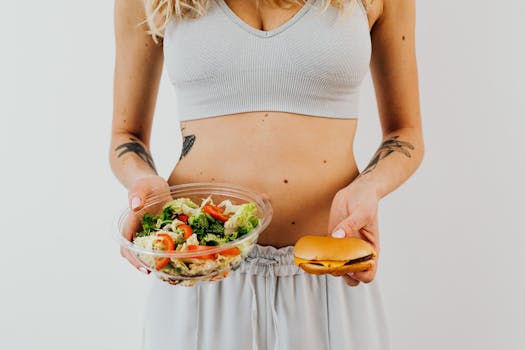
Dr. Valter Longo's new book, The Longevity Diet 2.0, came out in April, and it's been all over my social media. The premise is simple: eat a mostly plant-based diet, restrict calories for 12 hours a day, and do a 5-day fast-mimicking diet once a month. The claims are bold — better health, longer life, reduced risk of disease. I'm always skeptical of diet books, but the science behind Longo's work is solid. He's been researching aging at USC for decades. So I decided to try it for 30 days. Here's what happened.
The Rules I Followed
The longevity diet isn't complicated, but it's restrictive. Here are the basics: all meals within a 12-hour eating window (I chose 8 AM to 8 PM). Mostly plants — legumes, whole grains, nuts, and vegetables. Fish up to three times a week. Very little meat (none for me, since I'm already mostly vegetarian). Low protein for most of the day, with a higher protein dinner. And once a month, a 5-day period of eating only 800-1,100 calories per day, with specific macronutrient ratios. I also took a daily multivitamin and omega-3 supplement.
Week 1: The Hardest Part
The first week was rough. I'm used to snacking in the evenings, and the 12-hour eating window meant I had to stop eating at 8 PM. The first three nights, I went to bed hungry. The food itself was fine — I ate a lot of lentil soup, quinoa salads, and roasted vegetables. But I missed cheese. And chocolate. And bread with butter. By day five, I was cranky and craving everything I couldn't have. I almost gave up. But I reminded myself that it was only 30 days.
Week 2: The Fasting-Mimicking Diet
This was the part I was most nervous about. Longo's fasting-mimicking diet (FMD) involves eating specific amounts of nuts, olives, and vegetables for five days. I bought the official ProLon kit, which costs about $250. The food is... not great. The soups are bland, the crackers are dry, and the olives are the only thing that tastes good. But the science says it works — the FMD is designed to trigger cellular repair mechanisms while providing enough nutrients to avoid the dangers of water fasting. By day three, I felt surprisingly energetic. By day five, I felt light and clear-headed. I lost 4 pounds during the fast, mostly water weight.
Week 3: The Energy Shift
After the fast, something changed. My energy levels stabilized. I used to crash in the afternoon, but now I felt alert all day. My digestion improved — no bloating, no discomfort. I also noticed my skin looked clearer. I'm not sure if that's from the diet or just from eating less processed food, but I'll take it. The cravings were mostly gone. I no longer missed cheese or chocolate. I actually looked forward to my lentil soup and kale salad.