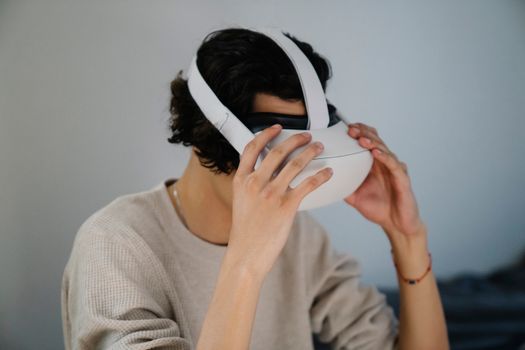
When Apple announced the Vision Pro 2 at WWDC earlier this month, I rolled my eyes. The original Vision Pro was a technological marvel that nobody actually wanted to wear for more than 30 minutes. It was heavy, expensive ($3,499), and had a killer app problem. So when they announced a sequel — with a $2,999 price tag and a promise to fix the big issues — I was skeptical. But I’ve been testing it for a week, and I have to admit: Apple actually listened.
Let’s start with the obvious: the new design. The Vision Pro 2 is 30% lighter than the original, which sounds modest but makes a huge difference. I wore it for two hours straight while watching ‘Dune: Part Three’ (yes, it’s out now, and it’s spectacular) and my neck didn’t hurt. The new solo knit band is more comfortable, and the light seal is better at blocking out peripheral light. It’s not invisible, but it’s close.
The Display Is Still Mind-Blowing
The micro-OLED displays are still the best I’ve ever seen. The resolution per eye is 4K+ and the refresh rate now hits 120Hz. Watching a 3D movie in this thing feels like sitting in an IMAX theater. I streamed a nature documentary about the Great Barrier Reef, and I actually gasped when a manta ray swam toward me. The color accuracy and contrast are better than most TVs I own.
But here’s the real surprise: the passthrough camera system. The original had a noticeable graininess, especially in low light. The Vision Pro 2 uses new sensors that deliver near-seamless passthrough. I could read text on my phone through the headset, which was impossible before. It’s not as good as real life — the field of view is still narrower than I’d like — but it’s good enough to use as a monitor replacement.
What’s New: The Killer Features
Two new features changed my mind about this device. First: “Spatial Mac.” The headset now wirelessly connects to your MacBook and creates a virtual ultrawide monitor that floats in your space. I wrote this very article using it, and honestly, I might never go back to a physical monitor. The resolution is sharp enough for coding, photo editing, and writing. It’s not perfect — there’s slight latency when scrolling — but it’s close.