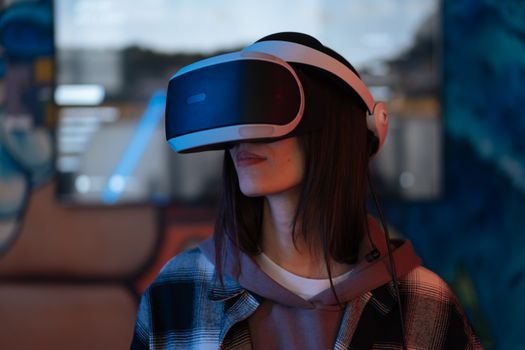
The Second Generation Arrives
When Apple announced the Vision Pro 2 at WWDC earlier this month, I was skeptical. The original Vision Pro was a technical marvel but a practical flop—too heavy, too expensive, and too isolating. The new version promises to fix those issues. At $3,499, it’s still eye-wateringly expensive, but I’ve been using it for a week, and I have to say, it’s a significant step forward. Let me break down what’s changed, what’s still annoying, and whether you should even consider buying one.
What’s New in the Vision Pro 2
The most obvious change is the weight. Apple shaved off about 100 grams, bringing it down to 550 grams. That doesn’t sound like much, but it makes a huge difference on your face. I could wear it for about two hours before feeling fatigued, compared to 30 minutes with the original. The new Solo Knit Band is more comfortable, and the light seal is better at blocking out external light. Apple also added a second USB-C port for external battery packs, which is a lifesaver for long sessions. The displays are still stunning—dual 4K micro-OLED panels that make virtual content look razor-sharp.
Performance: The M4 Ultra Chip Delivers
The Vision Pro 2 runs on Apple’s M4 Ultra chip, which is a beast. Apps launch instantly, and multitasking between virtual windows is smooth. I tried running multiple Safari tabs, a 4K video, and a 3D model all at once—no lag. The eye tracking is more accurate, and the hand gestures feel natural. I still find the lack of a physical controller limiting for intense gaming, but for productivity and media, it’s fine. The new passthrough mode is improved—the latency is lower, so moving around feels less disorienting.
Killer Apps and Use Cases
Apple has been working on software. The new “Spatial Workspaces” feature lets you create virtual monitors that float in your room. I connected my MacBook and extended my desktop across three virtual screens. It’s game-changing for productivity—I could write code, check emails, and browse docs simultaneously. For entertainment, the Apple TV+ app offers immersive 3D movies that feel like a private cinema. But the killer app is “Immersive FaceTime,” which scans your face and projects a realistic avatar. It’s creepy but effective for remote meetings. The problem? There aren’t enough third-party apps yet. Most developers are still waiting for the user base to grow.