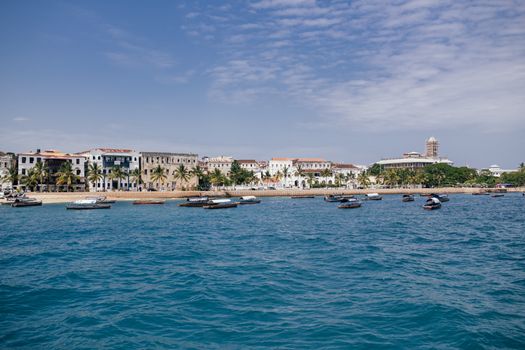
Why Zanzibar?
I've been dreaming of Zanzibar for years. The photos are unreal — white sand beaches, turquoise water, and those famous dhows sailing into the sunset. It looks like paradise. And honestly? It kind of is. But it's also more complicated than the Instagram filters let on.
I spent a week there in June 2026. I stayed in Stone Town, went to the northern beaches, ate my weight in seafood, and talked to locals, expats, and other travelers. Here's the real story.
Getting There: Not as Simple as It Looks
First things first: getting to Zanzibar is a journey. Most people fly into Dar es Salaam on the mainland, then take a 20-minute flight to Zanzibar. The flight is cheap (about $80 on Coastal Aviation), but the airport in Dar is chaotic. Expect crowds, long lines, and a lot of confusion.
Alternatively, you can take the ferry from Dar to Zanzibar. It's $35 and takes two hours. But the seas can be rough. I met a guy who did it and said he was seasick the whole time. I went with the flight. It was worth the extra money.
Stone Town: A Maze of History and Hustle
Stone Town is Zanzibar's cultural heart. It's a UNESCO World Heritage site, and it feels like stepping back in time. Narrow alleys, ornate wooden doors, and the scent of spices and street food everywhere. I loved it.
But it's also intense. The touts (local salesmen) are aggressive. Every few steps, someone is trying to sell you a tour, a taxi, or a bracelet. It's exhausting. I learned to say "Hapana asante" (no, thank you) firmly and keep walking. Once you get past that, Stone Town is magical.
Don't miss the Old Fort (free entry), the House of Wonders (currently under renovation but still impressive), and the Forodhani Gardens night market. The market is a must — grilled octopus, Zanzibar pizza, and sugarcane juice. Go hungry.
The Beaches: They're Real, But Not All Equal
Yes, the beaches are as beautiful as the photos. Nungwi, on the northern tip, is the most famous. White sand, clear water, and stunning sunsets. But it's also the most touristy. Hotels line the beach. Vendors walk the shore. It's beautiful, but it doesn't feel wild.
I preferred Kendwa Beach, just south of Nungwi. It's quieter, with fewer hotels and a more relaxed vibe. The water is calm year-round (Nungwi can get rough tides). I spent a whole day there reading and swimming. It was perfect.
For something truly remote, head to Paje on the east coast. It's a kitesurfing hub, but the beach is massive and nearly empty. The water is shallow and turquoise. It's like a swimming pool. I saw maybe 20 people during my entire visit.
The Food: The Best Surprise
I wasn't expecting Zanzibar to be a food destination. But it is. The seafood is incredible — fresh, cheap, and cooked with Indian and African spices. I had grilled lobster for $12. Grilled octopus for $5. And the curries? Unreal.