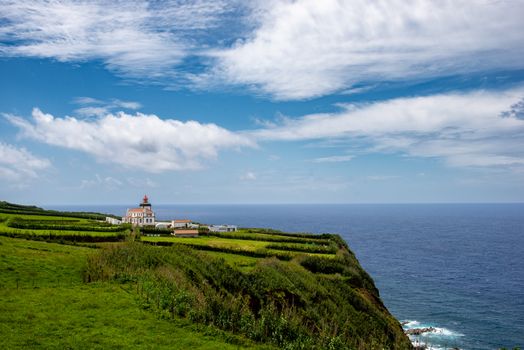
I'll be honest: I went to the Azores because it was cheap. I found a round-trip flight from Boston to Ponta Delgada for $280. Compared to the $1,200 I'd pay for a flight to Paris, it was a no-brainer. What I didn't expect was to fall in love with a place so completely that I'd be writing this article before I even landed back home.
The Azores are a Portuguese archipelago in the middle of the Atlantic, about 2 hours from mainland Europe and 4 hours from the US East Coast. Nine volcanic islands, each with its own personality. I spent a week on São Miguel, the largest island, and I only scratched the surface. Here's everything you need to know—the good, the bad, and the absolutely stunning.
Getting There and Getting Around
I flew SATA Azores Airlines (the local carrier). The plane was a modern Airbus A321neo, and the service was fine. The airport in Ponta Delgada is small—you'll clear customs in 10 minutes. Rent a car. Seriously. Public buses exist but are infrequent. I booked a small Suzuki Swift for $35/day through a local agency (avoid the big rental chains at the airport; they're twice the price). Driving is easy—roads are well-maintained, traffic is light, and locals are patient with tourists who drive slowly to admire the views. GPS is essential; some roads are unmarked. Download Google Maps offline before you go.
The Food: More Than Just Cheese and Pineapple
Azorean cuisine is underrated. The cheese is phenomenal—São Jorge cheese is sharp and crumbly, like a good cheddar. The pineapples are grown in greenhouses (the climate is too mild for outdoor cultivation) and are sweeter than any pineapple I've had elsewhere. But the real star is the seafood. I had limpets (lapas) grilled with garlic and butter at a seaside restaurant in Vila Franca do Campo—tender, briny, and addictive. The octopus stew (polvo guisado) was melt-in-your-mouth tender. And the cozido das Furnas is a must: a stew of meats and vegetables slow-cooked underground using volcanic steam. It's not pretty, but it's delicious. Restaurants are affordable—expect to pay €12-18 for a main course. Tipping isn't expected but is appreciated (10% is fine).
The Landscapes: Otherworldly
I've been to Iceland, New Zealand, and Hawaii. The Azores rival all of them. The Sete Cidades crater is a twin lake—one blue, one green—surrounded by lush hills. You can hike down to the water or drive to the viewpoint at the top. The view is postcard-perfect, but it's even better in person. Lagoa do Fogo (Fire Lake) is a crater lake at the island's highest point. The hike to the beach is steep but worth it—the water is crystal clear and cold. Furnas Valley is a geothermal wonderland: boiling mud pools, steaming vents, and hot springs where you can soak. I spent an afternoon at the Poça da Dona Beija thermal pools—€6 for entry, and the warm, iron-rich water was therapeutic after hiking.