I’ve been a travel writer for 15 years, and I thought I’d seen it all. I’ve slept in a hut in the Himalayas, eaten street food in Bangkok at 2 AM, and watched the Northern Lights from a glass igloo in Finland. But nothing — and I mean nothing — prepared me for the Outer Hebrides.
This chain of islands off Scotland’s west coast isn’t exactly secret — travel influencers have been posting photos of the white sand beaches for a few years now. But visiting is different from scrolling. The islands have a rhythm that forces you to slow down. There’s no cell service in many areas. Shops close at 5 PM. The weather changes every 20 minutes. And it’s absolutely glorious.
Why Go Now (June 2026)
I timed my trip for the summer solstice, which is this week. In the Hebrides, that means nearly 19 hours of daylight. The sun sets around 10:30 PM and rises again at 4 AM. The light is golden and endless. It’s perfect for hiking, photography, or just sitting on a beach at midnight watching the horizon glow.
The islands have also seen a resurgence in local culture. New distilleries, small hotels, and community-run cafes are opening. The population is young and creative. It’s not a museum — it’s a living place.
The Beaches: Caribbean Without the Crowds
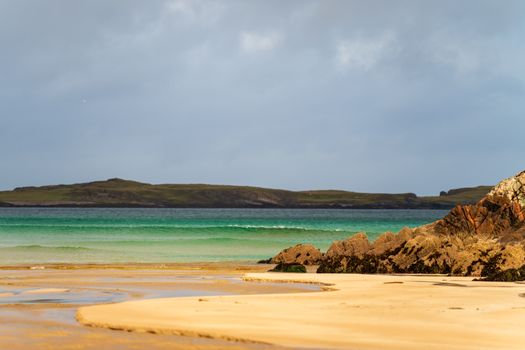
I know, I know — everyone says that about Scottish beaches. But Luskentyre Beach on the Isle of Harris genuinely looks like the Maldives. White sand, turquoise water, and not a single resort in sight. I walked for two miles and saw exactly three other people. The water is cold — about 12°C — but I went in anyway. It was bracing and wonderful.
Another gem: Traigh Eais on the Isle of Barra. It’s a shell-sand beach that shifts color with the light. I sat there for an hour watching the tide come in, and I didn’t touch my phone once.
The Food: Fresh and Honest
I ate the best oysters of my life at a tiny shack on the Isle of North Uist. The fisherman shucked them right in front of me. They’d been out of the water for less than an hour. I also tried Stornoway black pudding — a local specialty made with beef fat, oatmeal, and spices. I was skeptical, but it’s incredible fried with eggs.
The food scene is growing. There’s a new restaurant in Tarbert called ‘The Anchorage’ that serves locally caught langoustines with homemade aioli. The chef used to work at a Michelin-starred place in Edinburgh but moved back home. That’s a trend I saw everywhere — people returning to the islands to build something new.
The People: Unforgettable
I met a woman in her 70s who runs the post office on the Isle of Berneray. She’s lived there her whole life and knows everyone. She told me stories about the old days — when the island had a school, a shop, and a dance hall. Now most young people leave for the mainland. But she stays because “the silence is sweeter than any city noise.”
I also met a young couple who run a micro-distillery on the Isle of Lewis. They make gin using heather and seaweed. It’s strange and delicious. They told me they moved from London two years ago and have never looked back.
Practical Advice
Getting there is an adventure. You can fly into Stornoway from Edinburgh or Glasgow, or take the ferry from Ullapool or Oban. I recommend the ferry — it’s part of the experience. Book car hire in advance; there’s limited availability. And bring layers. I wore a t-shirt, a fleece, a waterproof jacket, and a scarf — sometimes all at once.
The Outer Hebrides aren’t for everyone. If you need nightlife, luxury resorts, or constant entertainment, skip it. But if you want to disconnect, breathe deeply, and remember what quiet feels like, go now. Before the secret gets out.