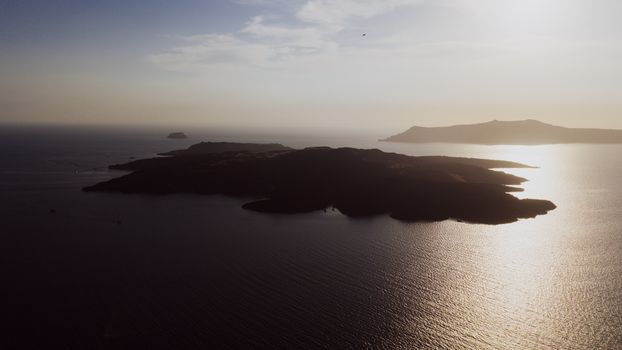
I've been planning a trip to Santorini for three years. Every time I mentioned it, someone would say, 'It's too crowded now. You'll hate it.' They'd point to articles about cruise ships dumping thousands of tourists on the island, or videos of people fighting for sunset photos in Oia. I almost canceled my trip. But I'd already booked non-refundable flights and a hotel, so I went anyway. I spent the first week of June 2026 on the island, and I'm glad I did. But the truth is complicated. Santorini is crowded. But it's also still magical—if you know where to go and when.
The Crowd Reality: It's Bad, But Manageable
Let's get this out of the way: the crowds in Oia at sunset are insane. I went to the famous blue-domed church viewpoint on a Tuesday, and there were easily 200 people packed onto a small platform. I couldn't move. People were pushing, selfie sticks were everywhere, and a few tourists nearly fell over the railing. It was legitimately unsafe. The local government just announced a new cap on cruise passengers starting July 1, limiting them to 8,000 per day. But that's not in effect yet. In June, we had days with 12,000 cruise visitors. The streets of Fira and Oia felt like Disneyland. But here's the thing: I stayed in a town called Pyrgos, which is inland and uphill. It was almost empty. I had entire squares to myself. The secret to Santorini is to avoid the caldera-facing towns during peak hours. Stay inland, explore the villages, and visit the coast early in the morning or late at night.
Where to Actually Stay: Pyrgos and Emporio
I booked a room at a boutique hotel called 'Villa Manos' in Pyrgos. It cost $120 per night, which is a steal for Santorini. The room had a private terrace with a view of the entire island. The owners, a couple named Maria and Yorgos, served homemade Greek yogurt with honey every morning. Pyrgos has narrow streets, a medieval castle, and a few tavernas that locals actually eat at. I had dinner at 'Katsaboo,' a family-run restaurant where the moussaka was the best I've ever had. The total bill for two people with wine was 45 euros. In Oia, a similar meal would be 100 euros. Emporio, another inland village, has a similar vibe. If you want to be near the water, consider Akrotiri, which has a red beach and fewer crowds.
The Best Sunset Views Without the Madness
Everyone goes to Oia for sunset. But I found a better spot: the lighthouse at Akrotiri. It's a 20-minute walk from the parking area, and there were maybe 15 people when I went. The view is stunning—the sun dips into the sea behind the caldera, and the sky turns shades of orange and pink. Another option is the 'Sunset Wine Tour' offered by 'Santo Wines' winery. For 60 euros, you get a tour, wine tasting, and a reserved seat on their terrace during sunset. No pushing, no crowds. I did this on my last night, and it was perfect.