Why Bhutan? Why Now?
Bhutan has always been that place on my bucket list—the one you mention at parties to sound interesting. “Oh, you haven’t been to Bhutan? It’s the happiest country on earth.” I’d read the articles, seen the photos of Tiger’s Nest Monastery, and heard about the “Gross National Happiness” index. But I never pulled the trigger because, honestly, it’s expensive. Bhutan charges a daily tourist fee of $200 to $250 per person, and that’s before you pay for anything else.
Then Six Senses opened a new resort in the Paro Valley this April. They’re calling it a “mindfulness sanctuary,” with a focus on meditation, hiking, and local culture. The starting price? $1,500 per night. I know. That’s insane. But I’d just finished a brutal year of work, and I needed a reset. So I booked five nights. Here’s what happened.
Getting There Is Half the Adventure (Or the Pain)
Flying into Paro is terrifying in the best way. The airport sits in a valley surrounded by 18,000-foot peaks, and pilots have to navigate a narrow descent that feels like threading a needle. I gripped my armrest so hard I left dents. But the view—snow-capped mountains, terraced fields, prayer flags flapping in the wind—made it worth it.
At the airport, a driver from the resort picked me up in a Lexus SUV. He handed me a cold towel and a bottle of local honey tea. Already, I felt like a different person.
The Resort: A Masterpiece of Design
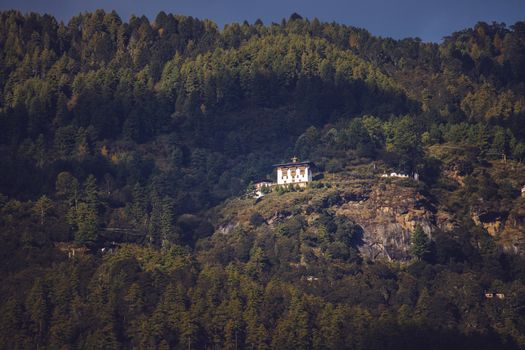
Six Senses Paro is built into a hillside, with 20 villas that blend into the landscape. My room had floor-to-ceiling windows overlooking the valley. The bed faced the mountains. I sat there for an hour the first morning, just staring. No phone. No TV. Just the sound of wind and distant bells from a monastery.
The design is minimal but warm—local wood, handwoven textiles, and a fireplace that the staff lit every evening. There’s no air conditioning (Bhutan’s climate is mild), and the Wi-Fi was deliberately slow. “We want you to disconnect,” the manager said. I rolled my eyes at first, but by day two, I was grateful.
The Activities: Mindfulness on Steroids
Every morning started with a meditation session led by a Buddhist monk. He’d been a monk for 40 years and had this calm that made me feel like I was wasting my life worrying about emails. The meditation was simple—focus on your breath, let thoughts pass—but doing it in a room overlooking the Himalayas? That’s a cheat code for peace.