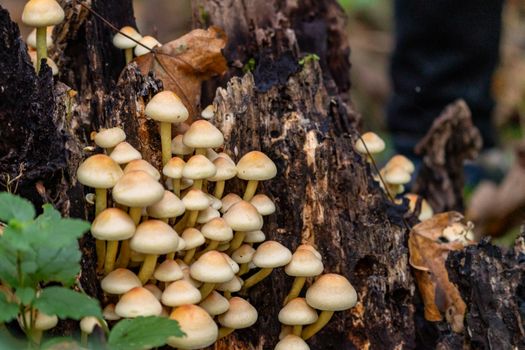
I’ll admit: when I first heard about mushroom leather, I thought it was a gimmick. Something that would fall apart after a week. But then I read about MycoWorks, a company that’s been supplying mycelium-based leather to Hermès and other luxury brands. Their latest product, called Reishi, is supposedly indistinguishable from cowhide. I decided to try growing my own. Spoiler alert: it worked, and it’s way more interesting than I expected.
What Actually Is Mushroom Leather?
It’s not like you’re wearing a mushroom cap. Mycelium is the root-like structure of fungi — think of it as the underground network. Companies like MycoWorks and Ecovative grow mycelium in trays, then process it into sheets that mimic leather. The material is biodegradable, requires no animal farming, and uses 90% less water than traditional leather. It’s also strong — tensile tests show it matches cowhide in durability.
I bought a mycelium growing kit from Ecovative’s home-use branch. It cost $49 and came with a bag of sterilized sawdust and a syringe of mycelium spores. The instructions were simple: inject the spores, let it sit in a warm, dark place for 10 days, then harvest the mycelium.
The Growing Process Was Surprisingly Easy
Day 1: I injected the spores into the sawdust bag. It looked like nothing was happening. Day 3: White fuzz started covering the surface. Day 5: The entire bag was solid white — like a block of marshmallow. Day 7: I transferred the mycelium to a flat tray to let it grow into a sheet. By day 10, I had a thin, leather-like material that I could peel off.
It smelled like fresh mushrooms — not unpleasant. The texture was surprisingly tough. I could fold it, stretch it slightly, and even cut it with scissors. The final step was to press it under a heavy book for 48 hours to flatten it. Then I applied a natural wax coating to make it water-resistant.
Making a Wallet: The Real Test
I’m not a professional, but I found a simple wallet pattern online. I cut two pieces of my mycelium leather, punched holes, and stitched them together with waxed thread. The result? A functional wallet that feels like suede. It’s not as smooth as traditional leather, but it has a unique, organic texture. I’ve been using it for a week now. It’s held up fine — no tearing, and the color has darkened slightly from handling.