The Hype Around AI Food
On July 8, 2026, the world's first fully AI-run restaurant opened in San Francisco. It's called "Automata" and it's been all over my Twitter feed. The concept is simple: no human chefs, no human waiters, no human anything. Robots cook the food, AI algorithms design the menu, and everything is served by automated systems. I had to see if it was actually good or just a tech gimmick.
I booked a table for two on a Saturday night. The reservation system was easy — just a few taps on their app. They asked about dietary restrictions, preferred cuisine styles, and even my spice tolerance. I told them I like bold flavors and medium spice. The AI promised a personalized menu. I was intrigued but also skeptical. How good can robot food really be?
Spoiler: it was surprisingly good. But also weird in ways I didn't expect.
First Impressions: The Space
Automata is located in the Mission District, in a former warehouse that's been converted into a sleek, minimalist space. The interior is all white surfaces and LED lighting. There are no tables in the traditional sense — instead, there are long counters with individual stations. Each station has a touchscreen, a set of utensils, and a small conveyor belt.
When you sit down, the touchscreen greets you by name. It asks if you want to see the menu or be surprised. I chose surprised. The AI said it would curate a five-course meal based on my preferences. I was excited. Also a little nervous — what if it makes something I hate?
The lighting adjusts automatically based on the time of day and the mood of the space. It was calm and relaxing. The music was ambient electronic, not too loud. It felt like a high-end restaurant, but with a futuristic vibe.
The AI Chef: How It Works
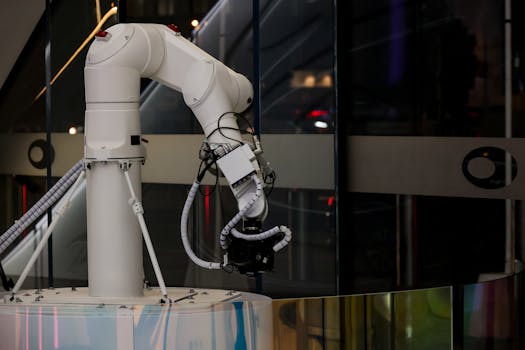
The kitchen is visible through a glass wall. There are no humans in sight. Instead, there are robotic arms, automated ovens, and conveyor belts. The AI "chef" is a system called ChefGPT, which designs each dish based on your preferences, the season, and what's fresh.
The first course arrived via conveyor belt. A small plate with a single dish: a beetroot tartare with horseradish cream and microgreens. The plating was beautiful — symmetrical, precise, almost too perfect. I took a bite. The flavors were balanced. The beetroot was earthy, the horseradish gave it a kick, and the microgreens added freshness. It was genuinely good. I was surprised.
The AI sommelier recommended a Nebbiolo from Piedmont. I'm not a wine expert, but the pairing worked. The wine's tannins cut through the richness of the beets. The whole experience felt… curated. Like the AI actually understood my taste.
The Second Course: A Twist
The second course was a seared scallop with a yuzu butter sauce. The scallop was cooked perfectly — golden crust on the outside, tender and sweet on the inside. The yuzu butter added a bright, citrusy note that worked beautifully.
But here's where it got weird. The touchscreen lit up after I finished the course. It asked: "How was the dish? Rate from 1 to 10." I gave it an 8. Then it asked: "Would you like the next course to be more or less adventurous?" I said more adventurous. The AI adjusted in real time.
This is the key difference between a human chef and an AI chef. A human chef can't change the next course based on your feedback in real time. But the AI can. It's like having a chef who adjusts each dish to your exact preferences, course by course.
I appreciated the personalization, but it also felt a little impersonal. There's no banter with the chef. No stories about where the ingredients came from. Just a screen asking for ratings. It's efficient, but it lacks soul.
The Main Course: Where It Shined
The third course was a dry-aged ribeye with a black garlic jus and roasted vegetables. The steak was cooked medium-rare, exactly as I like it. The crust was perfectly seared. The jus was rich and savory. The vegetables were caramelized and slightly charred.