Is This the Future of Dining?
Last Tuesday, a restaurant called “Cultivate” opened in San Francisco’s Mission District, and it’s the first place in the US to serve exclusively lab-grown meat. I’ve been following the cultivated meat industry for years—the science, the hype, the controversies. So when I heard they were doing a dinner service, I booked a table immediately. The menu features chicken, beef, and pork, all grown from animal cells in bioreactors. No animals were harmed. But the big question on everyone’s mind: does it taste like the real thing? I went with a skeptical friend who’s a butcher. Here’s what we thought.
The Science Behind the Plate
Cultivate sources its meat from Upside Foods and Good Meat, two companies that have been at the forefront of cultivated meat since USDA approval in 2023. The process starts with a small sample of animal cells, which are fed nutrients in a stainless steel tank. Over a few weeks, they multiply into muscle tissue, which is then harvested and formed into cuts or ground meat. It’s real animal meat, just grown without the animal. The environmental benefits are huge—less land, less water, and no methane emissions. But the taste test is what matters.
First Course: Cultivated Chicken Wings
We started with buffalo chicken wings. The presentation was normal—crispy, saucy, with blue cheese dip. I took a bite, and honestly, it was indistinguishable from traditional chicken wings. The texture was spot on—juicy inside, crispy outside. The only difference was a subtle flavor difference—my friend said it tasted “cleaner,” less gamey than factory-farmed chicken. I didn’t notice until he pointed it out. The wings were delicious, and I would eat them again without hesitation.
Second Course: Cultivated Beef Burger
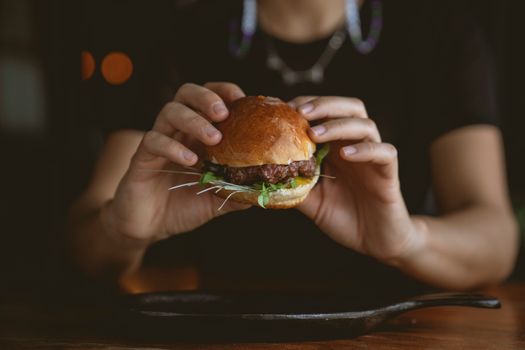
The burger was the main event. It was a thick patty, cooked medium-rare, topped with cheddar and caramelized onions. The first thing I noticed was the smell—it had that beefy aroma you get from a good grill. The taste was rich and savory, with a slight umami kick. But the texture was off. It was a bit softer than a traditional burger, almost like a well-made veggie patty. It didn’t have the same “snap” when you bite into it. My friend, the butcher, was more critical. He said it lacked the marbling and fat content of real beef, making it drier. I enjoyed it, but it wasn’t a perfect replica. Still, it was a solid burger.