I read a headline last week that stopped me: 'Sleep tourism is the hottest travel trend of 2026.' At first, I laughed. Paying for sleep? Isn't that what hotels are for? But then I looked into it. Hotels like the Park Hyatt New York and the Four Seasons in Maui are offering dedicated sleep packages—blackout curtains, weighted blankets, white noise machines, sleep coaching, and even in-room meditation sessions. I decided to try one at a hotel in Austin called The Sleep Sanctuary (yes, that's its real name). Here's what happened.
Why Sleep Tourism Is a Thing
The stats are staggering. According to a 2025 CDC report, 1 in 3 adults don't get enough sleep. Chronic stress, screen time, and caffeine are wrecking our rest. So hotels are stepping in. They're not just offering a bed anymore. They're selling an experience—a chance to truly unplug and recharge. Some packages cost upwards of $1,500 a night. I was skeptical, but I booked a one-night stay to see if it's legit.
Arriving at The Sleep Sanctuary
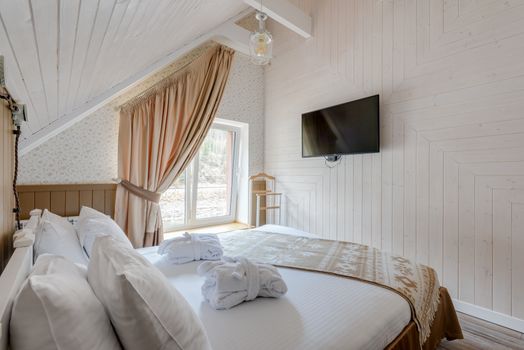
The hotel is tucked away in a quiet part of Austin, away from the Sixth Street chaos. Check-in was smooth. They handed me a 'sleep kit'—a silk eye mask, lavender spray, and a journal. My room was on the top floor, with floor-to-ceiling windows but blackout shades that dropped at the touch of a button. The bed was a custom mattress with adjustable firmness. I've never slept on anything so comfortable. The room temperature was set to 68°F, which is ideal for sleep. They also had a sound machine with options like 'rainforest' and 'white noise.' I chose 'cave silence.'
The Sleep Coaching Session
Part of the package included a 30-minute session with a sleep coach via video call. Her name was Dr. Lina Chen, and she asked about my sleep habits. I admitted I scroll my phone in bed. She didn't judge—she gave me practical tips: no screens an hour before bed, a warm bath with Epsom salts, and a specific breathing technique (4-7-8 breathing). I actually tried it. The bath was relaxing. The breathing made me drowsy. By 9 PM, I was in bed with my phone in the safe.