Tokyo is expensive. Everyone knows that. But I'm a freelance writer, which means I'm always on a budget. I spent 48 hours in Tokyo last week, and I managed to see a lot without blowing my savings. Here's how I did it, including the places that are worth your time and the ones you should skip.
Day 1: The West Side
I landed at Narita at 8 AM. The cheapest way to get to the city is the Keisei Skyliner. It's about 2,500 yen ($18) and takes 45 minutes to reach Ueno. I stayed at a capsule hotel in Shinjuku called Nine Hours. It's clean, quiet, and costs about 4,000 yen ($28) per night. I don't recommend it if you're claustrophobic, but it's fine for a quick sleep. My first stop was Tsukiji Outer Market. It's touristy, but the food is still good. I had a 500 yen ($3.50) bowl of ramen from a tiny shop. It was the best ramen I've ever had. Seriously. The broth was rich and the noodles were perfect. After that, I walked to the Imperial Palace. The East Gardens are free, and you can see the old stone walls and moats. It's a nice walk, but nothing spectacular.
Day 1: The Hidden Gem
I stumbled upon a place called Yanaka Ginza. It's a shopping street that survived the bombings in World War II. It's old-school Tokyo, with small shops and friendly locals. I bought a bag of senbei (rice crackers) for 200 yen. The old lady who sold them to me told me about her cat. It was a beautiful moment. This is the Tokyo that guidebooks don't talk about. It's authentic and affordable. I spent the afternoon at Ueno Park. The museums are cheap—the Tokyo National Museum is 1,000 yen. I saw ancient samurai armor and ukiyo-e prints. It's worth the money. For dinner, I found a conveyor belt sushi place in Akihabara. The sushi was fresh, and each plate was 150 yen. I ate six plates and was full. Total cost: 900 yen.
Day 2: The East Side
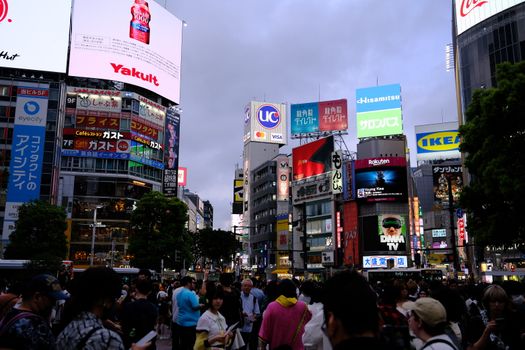
I woke up early and took the train to Asakusa. The Senso-ji Temple is free, and it's stunning. The main gate is massive, and the incense smoke adds a mystical vibe. I bought a fortune slip for 100 yen. It said I would have good luck. I'll take it. From there, I walked to the Sumida River. You can take a water bus to Hamarikyu Gardens for 1,200 yen. The gardens are beautiful, with a teahouse on an island. I had matcha and a sweet for 700 yen. It was a peaceful break from the city. After that, I went to Shibuya. The scramble crossing is chaotic, but I love it. I watched from the Starbucks above. Yes, it's touristy, but it's iconic.