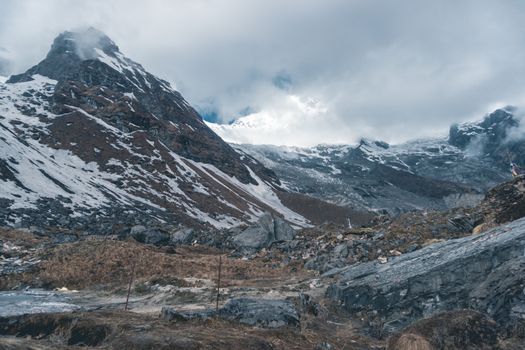
I've always been a casual hiker—think weekend trails, not mountaintop expeditions. But in May 2026, I decided to take on the Himalayas. I chose the Annapurna Circuit in Nepal, a 12-day trek that's considered one of the most beautiful in the world. I prepped for months. I bought gear, read blogs, and watched YouTube videos. But nothing prepared me for the reality. The altitude. The people. The sheer enormity of the mountains. And the unexpected role of a new app called Altitude+ that nearly ruined my trip.
Here's what I learned, so you don't make the same mistakes.
Tip 1: Don't Trust Altitude Apps Blindly
Altitude+ is a new app that launched in early 2026 and went viral on TikTok. It uses your phone's barometer and GPS to estimate your altitude and oxygen saturation. Sounds useful, right? I thought so too. But on day 3, the app told me my oxygen level was at 88%—below the danger threshold. I panicked. I thought I had acute mountain sickness. I almost called for a helicopter evacuation. Then a local guide named Raju looked at my phone and laughed. “That app is wrong,” he said. “It's calibrated for sea level. Here it's off by 5%.”
I verified with a pulse oximeter—I was at 94%, totally fine. The app had nearly cost me $2,000 for a false alarm. Use apps for general info, but trust a real oximeter and your body. If you have a headache, nausea, or dizziness, rest. Don't let a glitchy app scare you.
Tip 2: Pack Light, But Not Too Light
The standard advice is to pack as light as possible. I followed it—my bag was 8 kg (17 lbs). But I regretted it. I didn't bring enough warm layers. The nights at higher altitudes (up to 5,416 meters at Thorong La Pass) were freezing. I ended up buying a cheap fleece in a village for $30—it was scratchy and smelled like yak. Pack a proper down jacket and thermal base layers. A good sleeping bag rated to -10°C is non-negotiable.
Also bring a water filter. The streams are clean, but you don't want to risk giardia. I used the LifeStraw Go bottle, and it worked perfectly. Saved me from buying plastic bottles.
Tip 3: Acclimatize Properly (And That Means Slow Down)
The biggest mistake beginners make is rushing. I saw a group of German tourists try to summit Thorong La in 7 days. Two of them got severe altitude sickness and had to be evacuated. The standard itinerary is 12-15 days for a reason. Take rest days. I spent a full day in Manang (3,500 meters) doing a short acclimatization hike to a nearby ridge. It made a huge difference. My guide said, “The mountain is patient. You must be too.”