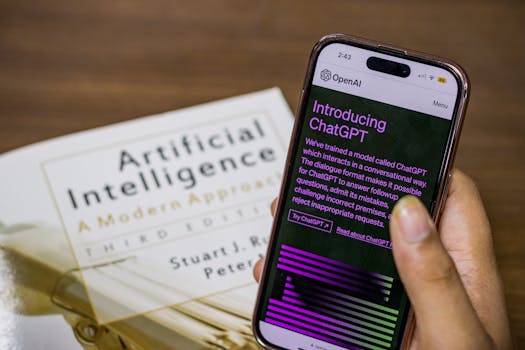
I've been working with AI language models since GPT-3, and I've seen them evolve from party tricks to essential tools. In May 2026, both OpenAI and Google released their latest models: ChatGPT-5 and Gemini 3.0. I spent the last week testing both for real tasks—writing, coding, research, and even creative projects. Here's what I learned.
Spoiler: neither is perfect, and the winner depends on what you need. But if I had to pick one for everyday use, there's a clear choice.
Speed and Pricing: Gemini Wins Big
Let's start with the practical stuff. ChatGPT-5 costs $30 per month for the Plus tier (up from $20 for GPT-4). Gemini 3.0 is free with a Google account, with a premium tier at $15 per month. And Gemini is fast—responses come in under a second for simple queries. ChatGPT-5 takes 2-3 seconds for the same tasks. For heavy workloads, Gemini's speed advantage is noticeable. I generate a lot of content, and saving those extra seconds per query adds up. Google also sweetened the deal with 2TB of cloud storage included in the premium tier. That's a no-brainer for anyone who uses Google Drive.
Coding: ChatGPT-5 Still Rules
I'm not a professional developer, but I dabble in Python for data analysis and automation. I asked both models to build a web scraper for a news site. ChatGPT-5 produced clean, working code on the first try, with comments explaining each step. Gemini 3.0 gave me code that worked, but it was messier—missing error handling and using deprecated libraries. When I asked for fixes, both improved, but ChatGPT-5 was more reliable. For serious coding, ChatGPT-5 is still the tool to beat.
Creative Writing: Gemini Surprised Me
This is where it gets interesting. I asked both to write a short story about a robot falling in love with a human. ChatGPT-5's version was technically proficient but formulaic—it read like a Hallmark movie. Gemini 3.0's story was weird and beautiful. It used metaphors I've never seen an AI use, like “his circuits hummed like a dying star.” It made me laugh and feel something. Google has clearly invested in creative training data. For blog posts, marketing copy, or fiction, Gemini 3.0 is my new favorite.