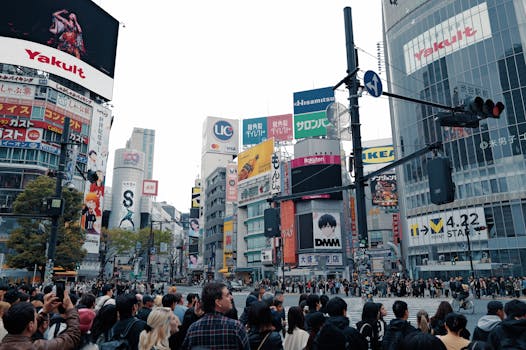
I've wanted to visit Japan my whole life. Last month, I finally did it. Two weeks, four cities — Tokyo, Kyoto, Osaka, and a quick stop in Hiroshima. I'd read dozens of blog posts, watched countless YouTube videos, and thought I was prepared. I was wrong.
Japan is incredible. The food, the culture, the efficiency — it's everything you've heard and more. But there are a lot of small things that no one tells you, and they can trip you up if you're not ready. Here are the 10 things I wish I'd known before my trip.
1. Bring Cash. Seriously.
I know, I know — Japan is a high-tech country. You'd think they'd accept credit cards everywhere. They don't. Many small restaurants, temples, and shops are cash-only. Even some hotels require cash for incidentals.
I learned this the hard way. On my second day, I tried to buy a bowl of ramen at a tiny shop in a Tokyo alley, and the owner pointed at a sign that said 'Cash Only.' I had to walk 10 minutes to find an ATM. The ATMs in convenience stores like 7-Eleven and FamilyMart work with foreign cards, but they charge a fee. I ended up carrying around 50,000 yen ($350) in cash at all times.
Pro tip: Exchange some money at the airport before you leave. And always have a backup stash.
2. The Train System Is Overwhelming
Everyone raves about Japan's train system. It's punctual, clean, and extensive. But it's also confusing as hell. There are multiple companies — JR, Tokyo Metro, Toei, Keikyu, etc. — and they all have different ticket systems. You can't use a JR Pass on a Tokyo Metro line.
I bought a Suica card (a rechargeable IC card) at the airport, and it worked on most trains in Tokyo and Osaka. But I still got lost multiple times. The signs are in English, but the stations are huge and have multiple exits. I once walked out the wrong exit in Shinjuku Station and ended up a 15-minute walk from where I needed to be.
My advice: Download Google Maps and use it religiously. It tells you which platform to go to, which train to take, and even which car to get on for a smooth transfer. It's a lifesaver.
3. The Toilets Are Confusing
Japanese toilets are a marvel of engineering. They have heated seats, bidet functions, and control panels with more buttons than a spaceship. But if you don't know what you're doing, you'll be pressing random buttons and hoping for the best.
Pro tip: Look for the 'Stop' button — it's usually a red circle. Also, don't press the button that looks like a musical note unless you want the toilet to play a flushing sound to cover up your... noises. That's a real thing.
And public toilets are spotless. I used bathrooms in train stations that were cleaner than my own apartment. It's one of the best things about Japan.
4. The Food Is Cheaper Than You Think
I expected Japanese food to be expensive, especially in Tokyo. But I was pleasantly surprised. A bowl of ramen costs around 1,000 yen ($7). A sushi set at a conveyor belt restaurant is 2,000 yen ($14). Even in touristy areas, the food is affordable.
The best meal I had was in Osaka at a street stall — takoyaki (octopus balls) for 800 yen ($5.50). It was the most delicious thing I ate all trip.
And convenience store food is surprisingly good. Onigiri (rice balls), sandwiches, and bento boxes from 7-Eleven are fresh and cheap. I had a breakfast of onigiri and green tea for about 300 yen ($2).
5. The Crowds Are Real
Japan is crowded. I knew this, but I didn't understand it until I was in Shibuya at rush hour. The famous crossing is packed, but so are the trains, the temples, and the sidewalks. In Kyoto, the bamboo grove was so full of tourists that I could barely walk.
To avoid the worst crowds, go to popular attractions early in the morning. I visited Fushimi Inari Shrine at 6 AM, and I had the place almost to myself. By 9 AM, it was a sea of people.