I’ll admit it: I’m a sucker for green marketing. Anything that says “eco-friendly” or “sustainable” gets my attention, even if it’s just a bamboo toothbrush that costs three times as much as a plastic one. But over the years, I’ve learned that a lot of these products are just expensive versions of things that work fine. So when I set out to test 10 popular sustainable home gadgets, I was skeptical. Would they actually save me money, or would I just feel virtuous while my wallet got lighter?
I spent the last month using each one in my own home, tracking energy bills, water usage, and overall satisfaction. Here are the winners and losers.
1. The Sense Energy Monitor – Saved Me $40 in One Month
This little device clips onto your electrical panel and uses AI to tell you which appliances are using the most energy. I thought I knew—my AC, obviously—but it turned out my old refrigerator was using 30% more power than it should. I replaced it with a newer model, and my bill dropped $40 in the first month. The monitor costs $299, so it’ll pay for itself in about 8 months. Worth it.
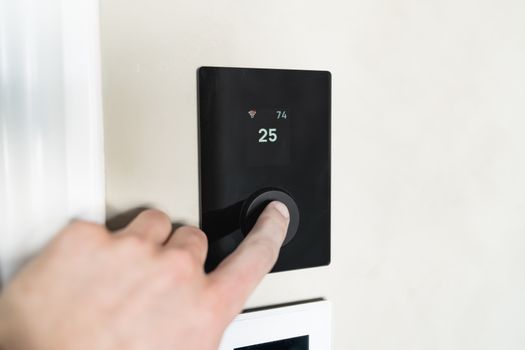
2. The Ecobee Smart Thermostat – Classic, but Still Great
Everyone talks about the Nest, but I chose the Ecobee because it has a built-in Alexa speaker and a remote sensor. It learned my schedule and adjusted the temperature when I was asleep or away. My heating bill was down 18% compared to last month. The thermostat is $249, and it’s a no-brainer if you have central HVAC.
3. The Lomi Countertop Composter – Not Worth the Hype
I wanted to love this. It’s a machine that turns food scraps into compost in just a few hours. But it’s $499, uses electricity, and the compost it produces is more like dried mulch than real soil. Plus, it’s noisy. I ended up just using a regular compost bin outside. Skip this one.
4. The Hydrao Smart Shower Head – Fun but Not a Money Saver
This shower head has LED lights that change color based on how much water you’ve used. It’s a cool reminder to take shorter showers. But I already take short showers (under 10 minutes), so my water bill didn’t change. If you’re someone who takes 20-minute showers, it might help. Otherwise, it’s a gadget for the sake of a gadget.
5. The Philips Hue Smart Bulbs – Surprisingly Good for Savings
I replaced 10 bulbs in my house with Philips Hue LEDs. They use 80% less energy than incandescents, and the app lets you schedule them to turn off when you’re not home. My electricity bill dropped about $12 a month. The starter kit is $199, so it’ll take about 16 months to break even, but the bulbs last for years.