I’ve been obsessed with Iceland for years. Not in a trendy, Instagram-influencer way — more like a “I’ve read every travel blog and watched every documentary” kind of way. And honestly, 2026 is the year to finally go. Tourism numbers are climbing back toward pre-pandemic levels, but the secret is still somewhat contained. Let me give you 10 real, specific reasons why you should book that flight before everyone else does.
1. The Northern Lights Are Still Incredible, But Not Forever
The aurora borealis isn’t going extinct anytime soon, but solar activity peaks in cycles. We’re currently in a solar maximum period that’s expected to taper off around 2027-2028. I checked the Icelandic Met Office forecast last week — they’re predicting strong geomagnetic activity through September. If you want to see the sky dance in green and purple without fighting crowds, now’s your window.
2. The Blue Lagoon vs Sky Lagoon — Pick Your Fight
Everyone knows the Blue Lagoon. It’s iconic, yes. But Sky Lagoon opened in 2021 and it’s quietly winning over locals. The 7-step ritual there — starting with a warm soak, then a cold plunge, sauna, steam, and finally a fish oil scrub — feels more authentic. I’d recommend Sky Lagoon for sunset. The Blue Lagoon is still worth it for the silica mud masks, but go on a weekday morning to avoid the bus tours.
3. The Food Scene Is Unbelievably Good (And Not Just Fermented Shark)
Let’s be real: fermented shark (hákarl) is an acquired taste. But Reykjavík’s food scene has exploded. I’m talking about Dill Restaurant, which earned a Michelin star in 2025 for its hyper-local Nordic cuisine. They use wild herbs, moss, and seaweed in ways that will blow your mind. For something cheaper, try Bæjarins Beztu Pylsur — a hot dog stand that’s been around since 1937. They use lamb and it’s the best $5 meal you’ll ever have.
4. The Volcanoes Are Active Right Now
I’m not kidding. The Fagradalsfjall volcano system has been erupting intermittently since 2021. As of July 2026, there’s still lava flowing in the Meradalir valley. You can hike there (with a guide, please) and see molten rock up close. It’s a once-in-a-lifetime thing, and it’s happening right now. The Icelandic Tourist Board even set up viewing platforms. Just don’t get too close — the gas is toxic.
5. Glaciers Are Melting Faster Than Expected
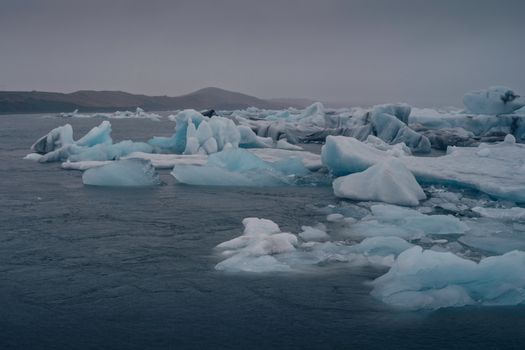
This is the sad part. Iceland’s glaciers lose about 11 billion tons of ice per year. Vatnajökull, Europe’s largest glacier, has shrunk noticeably in the last decade. Guided ice cave tours are becoming shorter and harder to access. Go now, before some of these blue caves collapse or become inaccessible. I’ve heard from guides that certain caves they explored in 2023 are already gone.